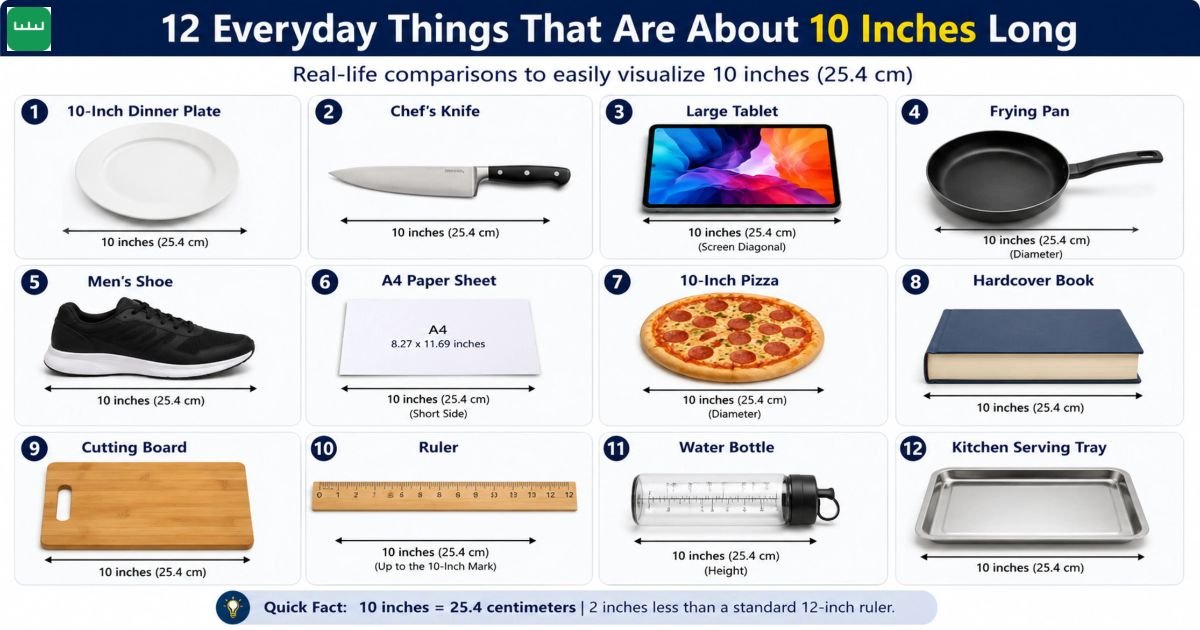
10 inches long is exactly 25.4 centimeters, or about 2 inches shorter than a standard 12-inch ruler. That means it is clearly under a foot, but not by much. Picture the first 10 inches of a ruler, and you already have a reliable mental image without needing to pull out a measuring tape.
This measurement matters when you are trying to figure out how big is 10 inches, compare an object with something familiar, or understand how much is 10 inches without measuring it directly. A plate, tablet, book, or kitchen utensil can give you a useful reference, but there is one easy mistake: 10 inches of length is not the same as a 10-inch screen diagonal or a 10-inch diameter. Knowing the difference can save you from choosing the wrong size.
You will see familiar 10-inch examples, practical things that are about 10 inches, and simple ways to estimate this length when a ruler is nowhere nearby. You will also learn how 10 inches compares with centimeters and everyday objects, so the measurement starts to feel natural instead of just being a number. For another useful comparison, you can also explore our guide to [how long is 5 inches] to see how two common measurements compare.
How Much Is 10 Inches?
10 inches = 25.4 centimeters (cm) or 254 millimeters (mm). It is also about 0.83 feet, so it is just 2 inches shorter than 1 foot.
Ten inches is just 2 inches shorter than a standard 12-inch ruler, making it easy to picture. Compared with something 100 feet long, it shows just how small 10 inches really is.
10 Inches Conversion Table
| Measurement | Equivalent |
|---|---|
| Inches | 10 inches |
| Centimeters | 25.4 cm |
| Millimeters | 254 mm |
| Feet | 0.83 ft |
| Yards | 0.28 yd |
| Meters | 0.254 m |
10 Inches Examples: how big is 10 inches Look Like?
A 10-inch measurement is easy to picture when you compare it with familiar everyday objects. It is about 25.4 cm long, so it is slightly shorter than a standard 12-inch ruler.
For example, a 10-inch dinner plate measures roughly 10 inches across, while a large kitchen knife may have a blade close to this length. These examples help you understand what 10 inches looks like without depending only on numbers. Keep in mind that actual object sizes can vary, so these are useful visual comparisons rather than exact measurements.
1. 10-Inch Dinner Plate
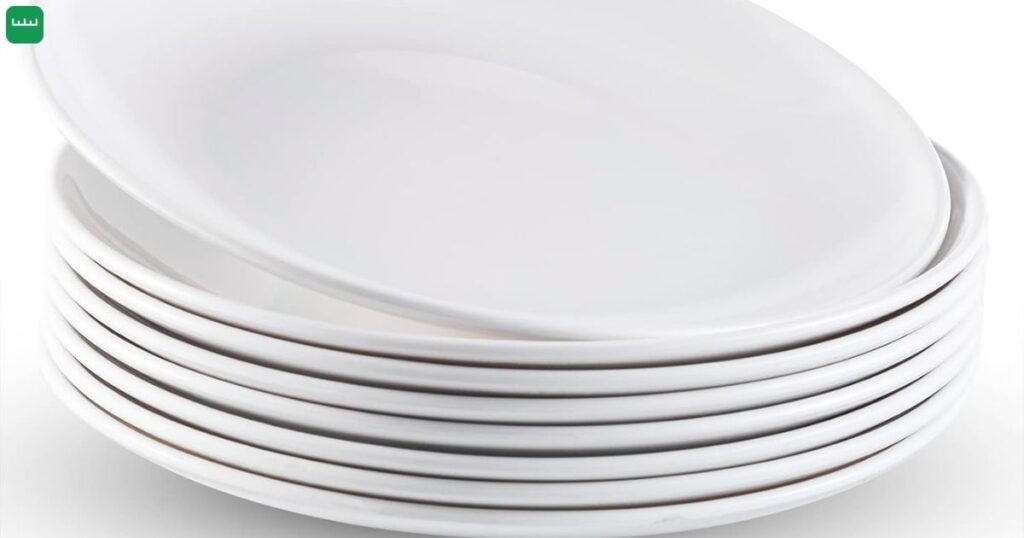
A 10-inch dinner plate is one of the easiest ways to picture the length because its diameter is roughly 10 inches, or 25.4 cm. Imagine measuring straight across the center of the plate from one edge to the other. That distance gives you a practical example of how big 10 inches is. The exact conversion is fixed: 10 inches equals 25.4 cm.
Place a typical dinner plate on a table and look across its widest point. It feels noticeably wider than a hand but still much smaller than a foot-long ruler. Plate sizes vary, though, so a 10-inch plate should be treated as a close visual reference rather than proof that every dinner plate measures exactly 10 inches.
This comparison is useful when someone asks, “How big is 10 inches?” without having a measuring tool nearby. Thinking about the width of a dinner plate can turn an abstract number into something you have probably seen and held many times.
2. Chef’s Knife
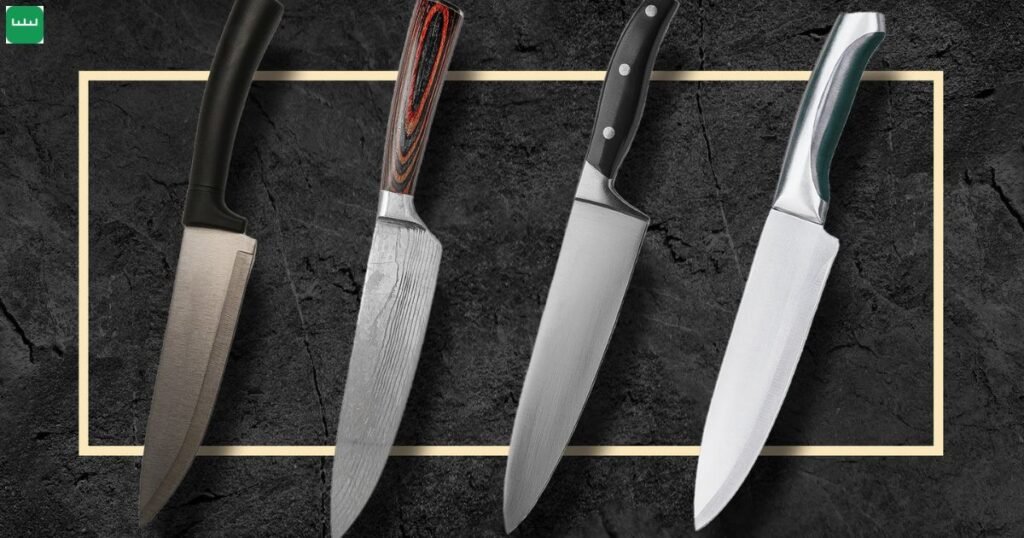
A chef’s knife with a 10-inch blade gives you an almost perfect straight-line example of the measurement. Ten inches is 25.4 cm, so a knife blade that length would extend just over two-thirds of a standard foot. The important point is that the blade itself can be close to 10 inches even though the full knife, including its handle, is longer.
Picture a large kitchen knife resting flat on a cutting board. Its blade stretches across a surprisingly long section of the surface, making it easy to compare with the 10-inch mark on a ruler. Many home cooks use shorter chef’s knives, so seeing a larger one can make 10 inches feel longer than expected.
This is a helpful comparison because the knife gives you a narrow, straight reference rather than a circular or diagonal measurement. When estimating 10 inches long, imagining the length of a large chef’s knife can help you judge the distance with your eyes.
3. Large Tablet
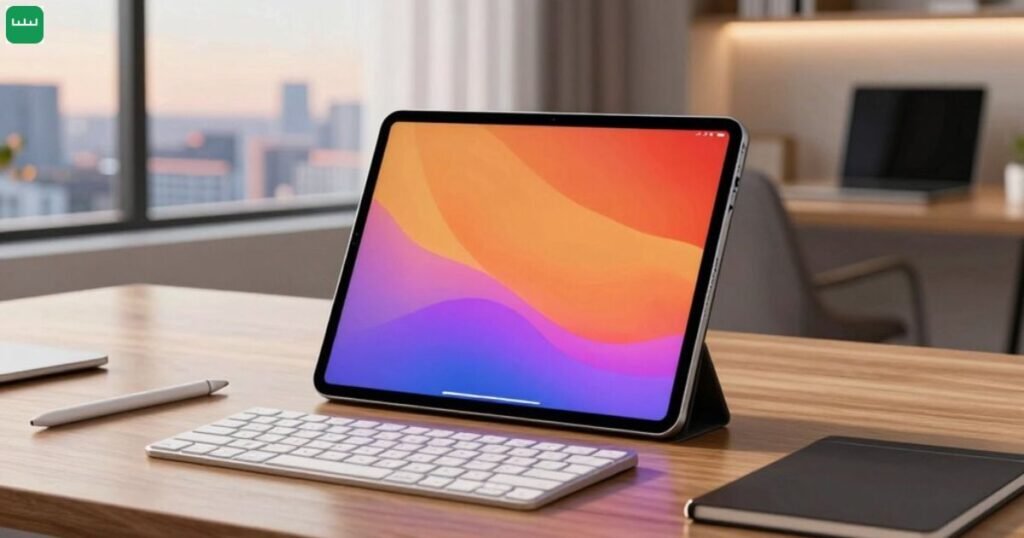
A large tablet is another familiar way to understand 10 inches, but there is a catch that many people miss. When a tablet is described as a 10-inch or 11-inch model, that number usually refers to the screen’s diagonal, not its height or width. For example, Apple’s current 11-inch iPad Pro has a display around 11 inches diagonally, while its physical body is smaller in either straight-line dimension.
Hold a large tablet in your hands and look from one corner of the screen to the opposite corner. That diagonal gives you the visual idea behind a “10-inch tablet.” This is why two objects can both be called 10-inch items yet look quite different when placed side by side.
The comparison is useful when shoppers search for how much is 10 inches or try to picture a screen size before buying. Just remember that 10 inches of screen diagonal is not the same as 10 inches of height or width, which prevents a common sizing mistake.
4. Frying Pan
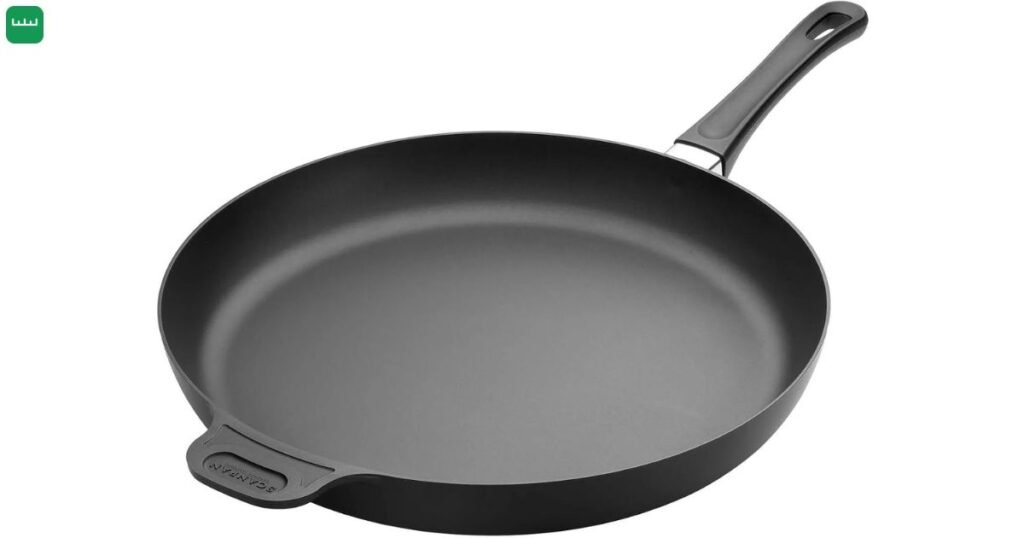
A 10-inch frying pan is another everyday object that can closely match the measurement. In cookware, the size generally refers to the pan’s diameter, so a 10-inch skillet measures about 25.4 cm across from one side to the other. That makes the pan a strong visual example of a 10-inch distance.
Set a 10-inch skillet on a kitchen counter and imagine a straight line running from the left edge to the right edge through the center. You will quickly notice that 10 inches is not tiny at all. It is large enough to cover a substantial part of a normal cooking area, yet it still fits comfortably on most stovetops.
This comparison helps because diameter is a measurement people can see immediately. Instead of wondering “What does 10 inches look like?”, you can picture the width of a familiar frying pan and get a much more practical sense of the distance.
5. Men’s Shoe
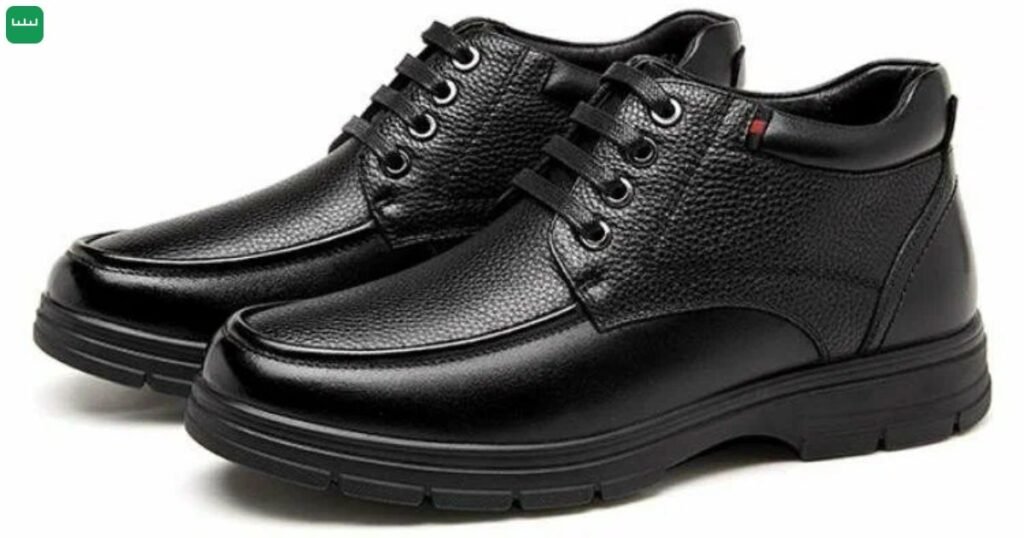
A large men’s shoe can provide a rough visual comparison for 10 inches, especially when viewed from heel to toe. Many shoes are somewhere around this range in overall length, although the actual measurement depends heavily on shoe size, design, and brand. It should therefore be treated as an approximate example rather than an exact 10-inch object.
Place a large shoe beside a ruler and the difference becomes obvious. Some shoes may fall short of 10 inches, while others may extend beyond it. The shape also adds a useful detail: the curved toe and heel make a shoe appear different from a simple straight strip of the same length.
This is useful when you need a quick mental picture of 10 inches long and do not have a ruler available. A shoe is familiar, easy to recognize, and close enough in scale to help you estimate the distance, provided you remember that shoe lengths vary.
6. A4 Paper Sheet
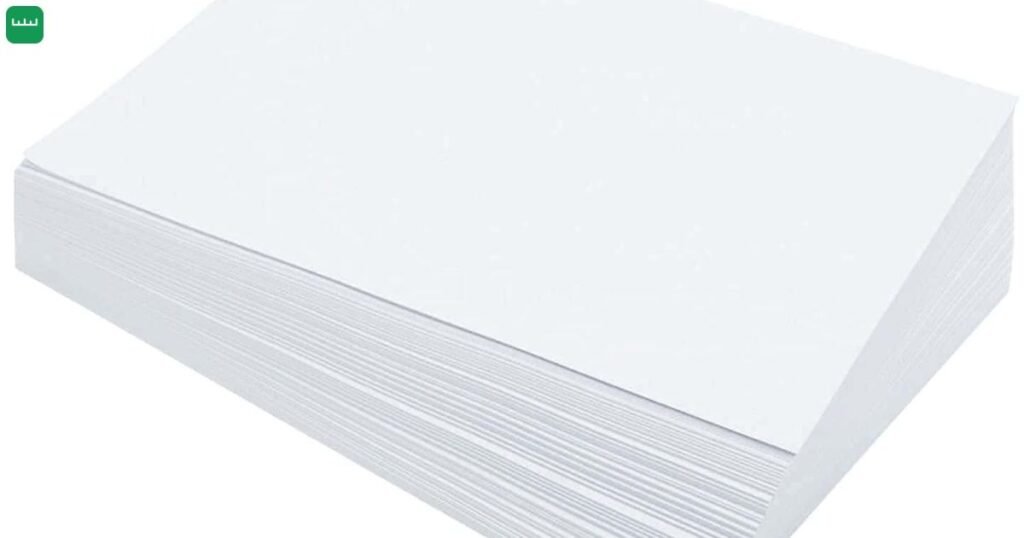
An A4 sheet of paper is especially interesting because one of its dimensions is surprisingly close to 10 inches. A4 paper measures 210 × 297 mm, which is about 8.27 × 11.69 inches. Its shorter side is therefore fairly close to 10 inches, while its longer side is noticeably longer.
Lay an A4 sheet flat and look across its width. It is shorter than 10 inches, but not by a huge amount. Turn it the other way and its length goes beyond 10 inches. This makes A4 useful for visual comparison because you can see both a near-10-inch dimension and a dimension that clearly exceeds it.
The comparison works best when you want to understand how big is 10 inches rather than find an exact object. A4 paper is common in schools, offices, and homes, so many readers already have an instant mental picture of its size.
7. 10-Inch Pizza

A 10-inch pizza gives you a clear example because the measurement describes the pizza’s diameter. Ten inches equals 25.4 cm, so a pizza labeled 10 inches measures about 25.4 cm straight across its center. That is very different from saying the pizza has 10 inches of crust or surface area.
Imagine placing the pizza on a table and drawing an invisible line from one edge through the middle to the opposite edge. That line is 10 inches long. Because a pizza is round, the comparison also helps readers understand that the same measurement can look very different depending on the object’s shape.
This is a useful everyday example for anyone asking “What is 10 inches?” or trying to choose a pizza size. It also shows why you should always check whether a measurement describes length, width, height, or diameter.
8. Hardcover Book

A large hardcover book can come close to 10 inches in height, although book dimensions vary widely by format. A book that stands around 10 inches tall would measure roughly 25.4 cm from its bottom edge to its top edge. That makes a larger hardcover a useful visual reference rather than an exact standard.
Place the book upright on a desk and compare its height with the first 10 inches of a ruler. A typical novel may be much shorter, while an oversized cookbook, photography book, or coffee-table book can come much closer to the 10-inch mark. The variety makes books an interesting example of how everyday objects can differ.
This comparison helps because readers naturally understand book size. When someone asks how much is 10 inches, imagining a larger hardcover standing on a table can provide a quick estimate without reaching for a measuring tape.
9. Cutting Board
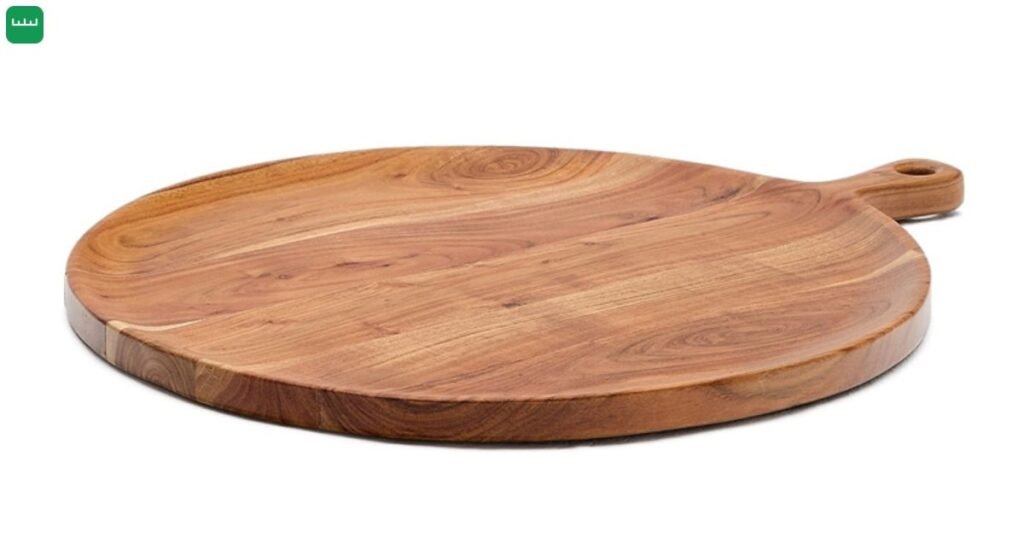
A small or medium cutting board can have a width or length close to 10 inches, making it another practical household comparison. A board measuring 10 inches on one side would be 25.4 cm across that dimension. Unlike a ruler, however, its usable size depends on the specific design.
Imagine placing a cutting board on your kitchen counter and measuring from one straight edge to the opposite edge. A board close to 10 inches gives you roughly the same distance you are trying to visualize. Its flat shape also makes the measurement easier to imagine than an object with curves.
This example is helpful because it connects 10 inches with a practical object people use regularly. Instead of memorizing a number, you can picture the width of a familiar cutting surface and get a better feel for the distance.
10. Ruler
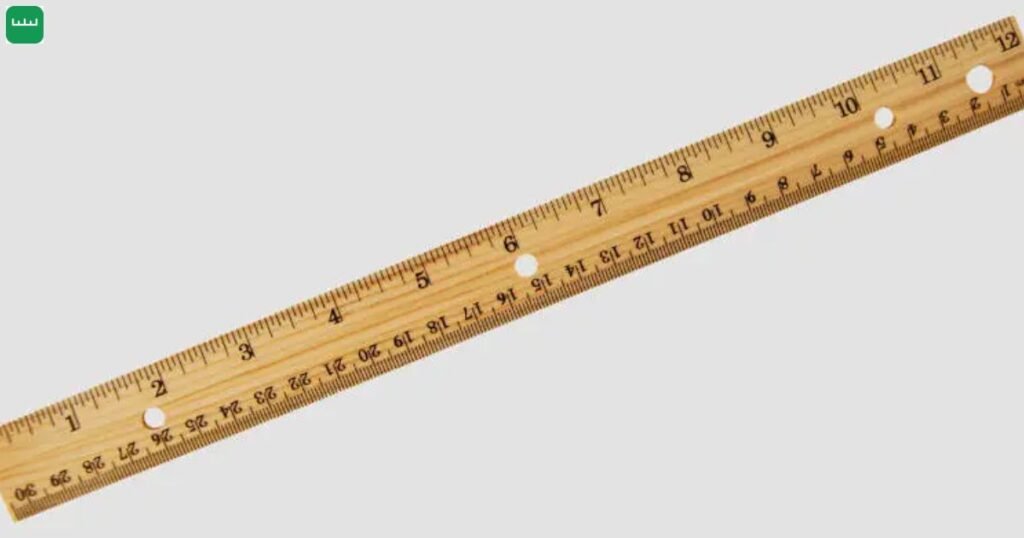
A standard 12-inch ruler is arguably the simplest reference for 10 inches. The first 10 marked inches on the ruler are exactly 10 inches, which equals 25.4 cm. Because the markings are already visible, there is no guesswork involved.
Hold the ruler flat and look from the zero mark to the 10-inch mark. You will notice that the distance stops two inches before the ruler’s full 12-inch length. That small gap is useful because it shows why 10 inches is close to one foot without actually being a foot.
This is the best comparison when accuracy matters. Even when you do not have a ruler available later, remembering that 10 inches is the first ten marks of a standard foot-long ruler can give you a reliable mental reference.
11. Water Bottle
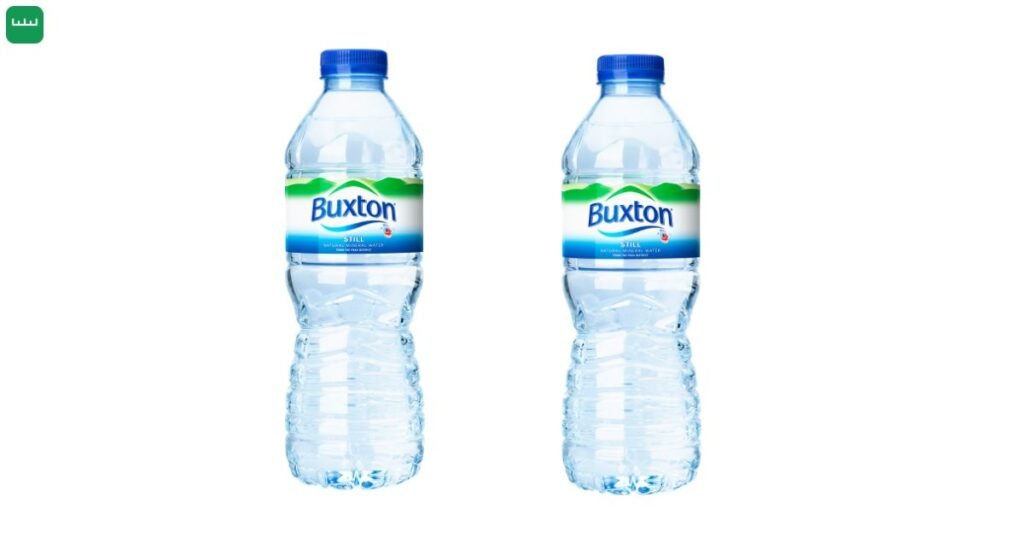
A larger reusable water bottle can sometimes stand close to 10 inches tall, although bottle sizes and shapes vary considerably. A bottle around 10 inches in height would be approximately 25.4 cm tall, giving you a useful vertical comparison for the measurement.
Set the bottle upright on a desk and imagine a line extending from its base to a point near the top. A bottle close to this size can make 10 inches feel more tangible because you are comparing the measurement vertically rather than across a flat surface. Some bottles are much taller or shorter, so the specific dimensions matter.
This example is useful when readers want to know what 10 inches looks like in a standing object. A bottle gives you a familiar household reference that can help you estimate height without using a measuring tool.
12. Kitchen Serving Tray
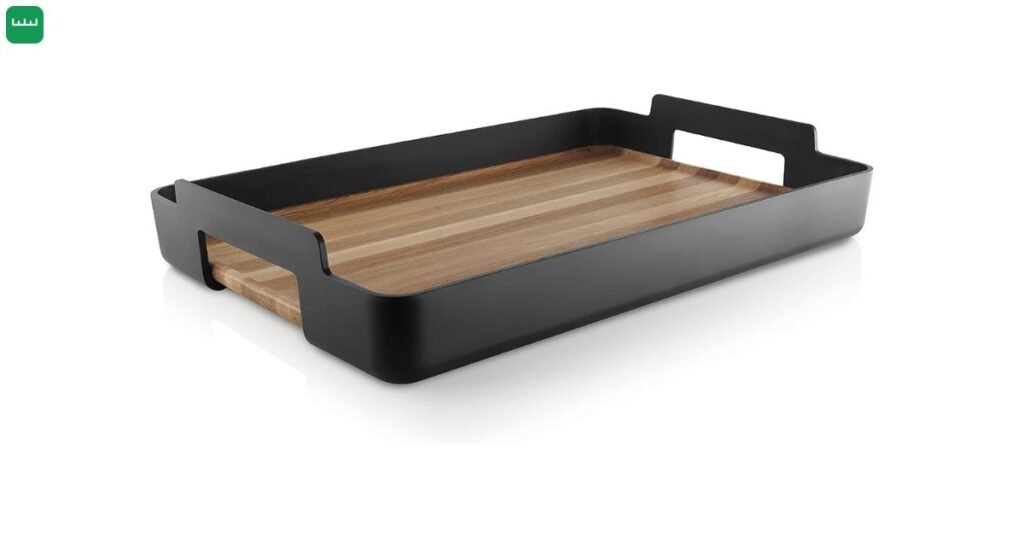
A small kitchen serving tray can have one side measuring close to 10 inches, making it a useful visual reference for both length and width. A 10-inch side would be about 25.4 cm, giving readers a straightforward way to connect the imperial and metric measurements. Unlike a round plate, a tray also makes it easier to picture a straight rectangular distance.
Picture the tray sitting on a dining table with food or cups arranged across it. A side that measures about 10 inches is long enough to span a noticeable section of the table but still small enough to carry comfortably. That everyday setting helps show that 10 inches is a moderate household dimension, not an extremely short distance.
This comparison works well when you are trying to estimate how big 10 inches is without a ruler. By picturing the straight side of a serving tray, you can turn the abstract measurement into something practical and easy to recognize.
Conclusion
Understanding 10 inches long becomes much easier when you connect the number to things you already know. A dinner plate, frying pan, ruler, or large tablet can turn how big is 10 inches from an abstract question into something you can picture instantly. Once you start noticing these everyday references, 10 inches feels less like a measurement and more like a familiar distance.
The next time you wonder how much is 10 inches, look around before reaching for a calculator or ruler. Your kitchen, desk, or bookshelf may already contain the answer. Measurements become much easier when you stop seeing them as numbers and start seeing them as objects you can recognize.
Author Note: I shared the most useful everyday comparisons to make measurements easier to understand in real life.
Bookmark this website for future guides covering measurements, conversions, feet, inches, meters, and everyday size references.

I’m a measurement and size guide writer focused on making everyday measurements simple and easy to visualize. I share practical comparisons, conversions, and real-world examples to help readers understand size with confidence. My goal is to turn confusing numbers into clear, useful information you can apply in everyday life.
2 thoughts on “12 common things that are 10 inches long”